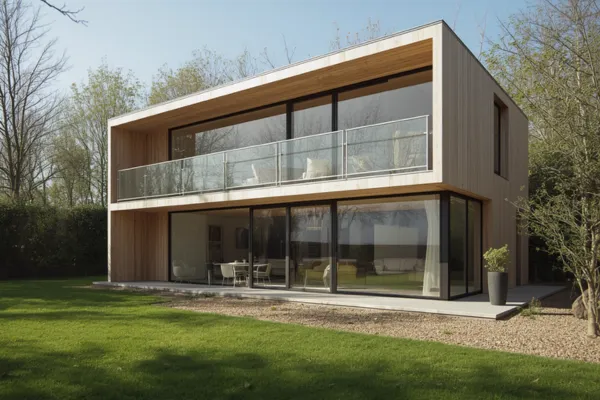
Energy Costs in Supported Shared Homes — Why It Matters More Than Ever and How to Manage It
Supported shared homes play a vital role in UK housing, providing stable accommodation combined with tailored support for people with a range of needs. These settings, which often include small group homes or shared properties with on-site or visiting support, can have distinct energy profiles compared with standard residential or general needs housing. With energy prices remaining a significant factor for households and operators alike, understanding the drivers behind costs and practical ways to address them has become increasingly relevant for providers, investors, and those involved in the sector.
Why Energy Costs Matter More Than Ever
Supported shared homes frequently experience higher energy use. Factors include near-constant occupancy, the specific requirements of residents (such as additional heating for comfort or mobility needs), medical or support equipment in some cases, and the demands of communal areas or staff facilities where present. These elements can lead to greater overall consumption than in properties with more intermittent use.
Many operators and support providers in this sector work under business energy contracts rather than domestic tariffs. Unlike household customers, businesses do not benefit from the energy price cap that applies to standard variable tariffs for homes. See Ofgem guidance on the price cap. This exposure to wholesale market movements can create greater volatility in operational costs.
Recent official data shows progress in tackling fuel poverty overall, yet challenges remain for lower-income and vulnerable households. In 2025, an estimated 9.4% of households in England (around 2.36 million) were in fuel poverty under the Low Income Low Energy Efficiency metric, with a modest improvement projected for 2026 driven partly by efficiency gains and support measures. Read the full DESNZ Fuel Poverty Statistics report. Social housing stock often performs relatively well on energy efficiency ratings compared with other tenures, but supported and specialist schemes can still face pressures from older properties, specific design features, or the need to maintain comfortable conditions for residents.
Unmanaged or rising energy costs can affect scheme viability, service delivery, and resident wellbeing. They may also influence longer-term investment decisions and the overall resilience of supported living provision. At the same time, proactive management of energy use presents opportunities to reduce operating expenses over time, improve comfort and outcomes for residents, support compliance with efficiency standards, and strengthen the case for schemes that deliver both social impact and financial sustainability.
Practical Insights: Approaches to Consider
Providers and those involved in supported shared homes can explore a range of measures. A starting point is often a thorough energy audit to understand usage patterns, identify high-consumption areas, and benchmark performance. In shared or multi-occupancy settings, sub-metering can offer greater visibility into consumption by zone or unit. This supports more accurate cost allocation where appropriate, helps highlight opportunities for efficiency, and can reduce the potential for disputes over shared bills.
Tariff management remains relevant. Regular reviews of energy contracts, consideration of fixed-rate options where suitable, and engagement with specialist brokers can help mitigate exposure to price fluctuations for those on business tariffs. Supported Living Gateway discussion on business energy pressures for care providers.
On the fabric and technology side, measures such as improved insulation, draught-proofing, efficient heating systems, LED lighting, and smart controls or thermostats are commonly discussed in the sector. Where properties are suitable, on-site generation such as solar photovoltaic panels (potentially paired with battery storage) can contribute to greater predictability of costs and reduced reliance on grid supply. For new developments or major refurbishments, incorporating low-energy design principles from the outset aligns with broader standards and can support long-term performance.
Funding and support mechanisms exist for eligible social housing providers and certain retrofit projects. These can help offset costs of upgrades that improve energy efficiency. Details on the Warm Homes: Social Housing Fund and related initiatives.
Behavioural and operational practices also play a part. Staff training on efficient use of systems, combined with sensitive engagement where residents can participate in energy-saving routines, can make a difference without compromising support needs or comfort. Monitoring usage over time allows adjustments and demonstrates progress.
It is worth noting that not every measure will suit every property. Older or harder-to-treat buildings may require tailored solutions, and the balance between upfront investment and payback periods needs careful assessment on a case-by-case basis. Electrification of heating, for example, can bring benefits in the right context but requires adequate insulation and consideration of running costs.
Timely Policy Context
Government initiatives continue to shape the landscape. The Warm Homes Plan, published in 2026, sets out a substantial programme of investment aimed at upgrading millions of homes, reducing bills, and tackling fuel poverty through measures including insulation, heat pumps, solar, and batteries. It includes targeted support for low-income households and specific provisions for social housing, such as neighbourhood or street-by-street retrofit approaches that can benefit clusters of properties.
Additional funding has been made available through the Warm Homes: Social Housing Fund (including Wave 3 and further allocations into 2026/27) to support energy efficiency and heating upgrades in eligible social housing. Developments around Minimum Energy Efficiency Standards (MEES), including moves toward higher EPC targets for the private rented sector by 2030 (with cost caps and transition arrangements), add further context for landlords and providers.
These policy directions link directly to supported housing considerations, including expectations around maintaining heating and electrical systems and working toward good energy performance standards. The combination of short-term bill relief measures (such as the average reduction applied from April 2026 and the Warm Home Discount) and longer-term structural support through efficiency upgrades creates both immediate considerations and opportunities for forward planning.
Energy costs in supported shared homes reflect a mix of usage patterns specific to these settings, market conditions for business users, and the broader policy push toward warmer, more efficient homes. Addressing them thoughtfully can support operational resilience, resident comfort, and the sustainability of schemes that deliver important social outcomes.
A balanced approach that weighs risks such as cost volatility or retrofit challenges against opportunities from funding, efficiency savings, and improved performance is likely to serve providers and investors well. Staying informed about evolving standards and support mechanisms helps in making considered decisions tailored to individual portfolios and properties.
👉 Want to explore how energy cost management and efficiency considerations could inform your supported living investment or operational strategy? Connect with Shannon Hoang at SHPC to discuss these topics with clarity and confidence.
⚠️ Disclaimer: This article is for general information only and should not be relied upon as legal, financial, or investment advice. Property investments carry risks, and energy efficiency requirements remain subject to consultation and change. Please seek professional advice tailored to your circumstances.
